


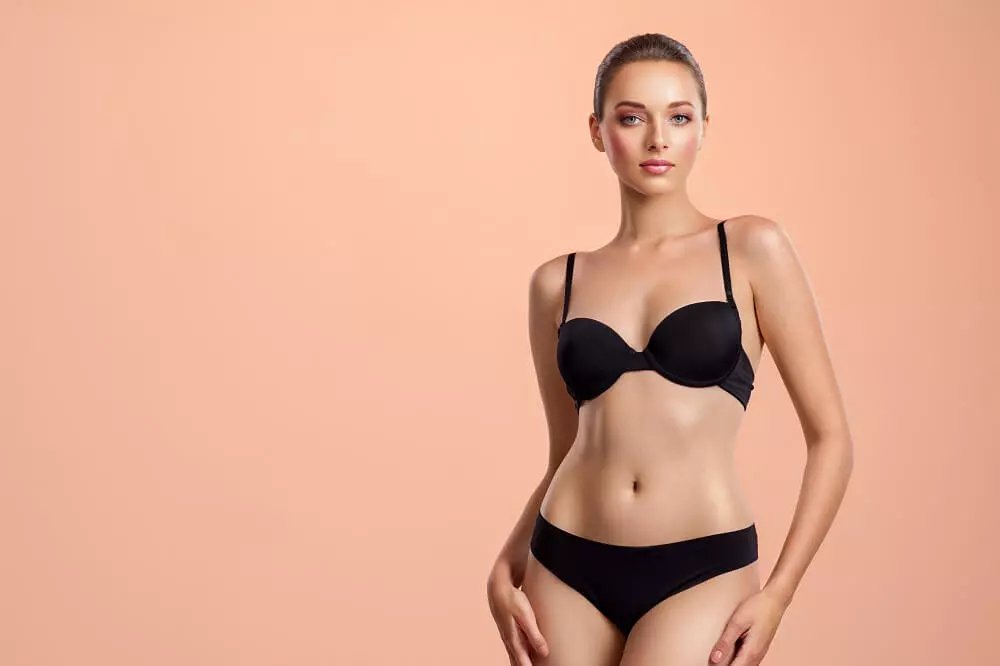
Choosing comfortable lingerie for sensitive skin can be a challenge, especially when comfort and health matter. This article will help you learn what to look for to find lingerie perfectly suited to the needs of delicate skin. Read our tips to discover which materials are safest, which styles to avoid, and how to care for your lingerie to enjoy its quality longer and prevent irritation.
Why is choosing the right lingerie important?
Choosing the right lingerie for sensitive skin is crucial to ensure daily comfort and take care of your skin’s health. People with sensitive skin often struggle with issues like irritation, redness, or itching. Improperly chosen lingerie can worsen these problems, deteriorating skin condition and negatively affecting well-being. That’s why it’s essential to select products made from soft, breathable materials free from harmful substances that may cause allergic reactions.
Opting for comfortable lingerie designed for sensitive skin can significantly improve quality of life. Comfortable lingerie should not only feel pleasant to the touch but also be functional—effectively wicking moisture and providing proper ventilation. This allows the skin to breathe freely, reducing the risk of irritation and infections. The right lingerie choice impacts not only daily comfort but also long-term skin health, which is especially important for those sensitive to materials and chemicals.
The best materials for delicate skin
When choosing delicate women’s lingerie for sensitive skin, it’s worth paying attention to recommended materials. One of the most recommended is organic cotton because it is natural, soft, and breathable. Organic cotton contains no synthetic pesticides or chemicals, significantly reducing the risk of irritation and allergies. Bamboo is also gaining popularity in the lingerie industry. It is extremely soft, has antibacterial properties, and effectively wicks moisture, keeping skin dry and fresh all day long.
Another noteworthy material is modal, a plant-based fiber that combines exceptional softness and durability. Modal is also highly breathable and quick-drying, further enhancing wearing comfort. Silk can also be an excellent choice—it is gentle on the skin, naturally hypoallergenic, and regulates body temperature. Using comfortable lingerie made from these materials supports sensitive skin by minimizing the risk of irritation.
Which lingerie styles to avoid with sensitive skin?
When choosing lingerie for sensitive skin, it is important to avoid certain styles and types that may cause irritation and discomfort. First, avoid lingerie made from synthetic materials such as polyester or nylon. These fabrics can hinder skin breathing, increasing the risk of sweating and irritation. Another style to avoid is lingerie with lots of lace and decorative elements. Although visually appealing, they can rub against delicate skin and cause micro-injuries.
For delicate women’s lingerie for sensitive skin, styles with tight elastic bands and seams are also not recommended. They can excessively press the skin, causing redness and chafing. It’s better to choose seamless models that minimize irritation risk. In summary, avoid:
- Lingerie made from synthetic materials (polyester, nylon)
- Lingerie with lots of lace and decorations
- Styles with tight elastic bands and seams
By avoiding these types of lingerie, you will ensure greater comfort and protect your skin from irritation. Choose lingerie made from natural materials that are soft, breathable, and free from harmful chemicals to enjoy healthy, smooth skin every day.
Care and washing of lingerie for sensitive skin
To enjoy the quality and properties offered by lingerie for sensitive skin for a long time, it’s important to follow some key care and washing guidelines. It is recommended to wash lingerie by hand or on a gentle machine cycle using appropriate detergents without dyes and fragrances that may irritate the skin. Washing temperature should not exceed 30-40 degrees Celsius, as higher temperatures can damage fabric fibers, negatively affecting their softness and breathability.
Lingerie should be dried flat whenever possible, avoiding tumble dryers that can cause fabric shrinkage and loss of softness. For extra protection of delicate fibers, it’s worth using laundry bags that minimize friction and protect against mechanical damage. Additionally, to maintain elasticity and durability, avoid using fabric softeners, which can affect the fabric’s structure and properties.
Comments: 0